
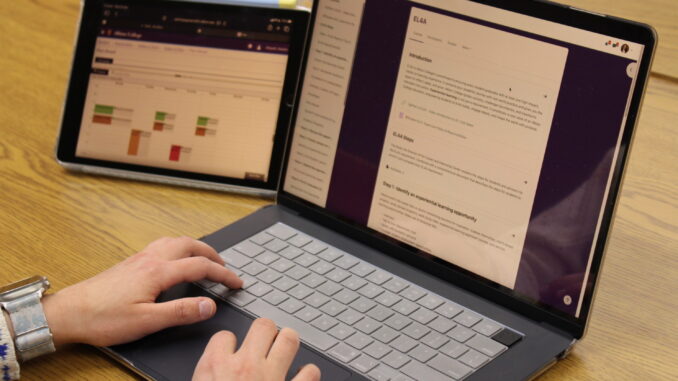
Practicums, internships and classes: What do all of these things have in common? They all satisfy Albion College’s new experiential learning requirement.
Director of the Center for Career and Internship Services Troy Kase said the requirement is partly intended to recognize opportunities that already exist across campus and that “it’s difficult to find a major that’s not already doing this.”
“Now we’re just institutionalizing it and helping students learn from those experiences through reflection,” Kase said.
Professor of economics and management Vicki Baker, who helped lead the faculty-staff working group that developed the requirement, said the initiative is intended to formalize practices common across campus.
“We were really trying to think thoughtfully about the role of hands-on learning and what role that could or should play in a student’s experience in more formal ways at Albion,” Baker said.
Clarkson junior Brooke McNab said two of her classes already count for experiential learning and that her “psych research class has really honed in on experiential learning.”
McNab added that this has included record-keeping through “a couple Google forms, check-ins, how we think the course is going to go.”
According to Associate Provost Drew Dunham, “There can also be non-credit experiential learning experiences that qualify, but those have to go through an approval process.”
For students currently following the updated catalog, the revised requirement may shape how they plan their academic paths.
Mount Holly, New Jersey, first-year student Paris Ford said the change in experiential learning “wasn’t that big of a change” but has still left them “trying to figure out which classes can apply to the most modes and categories.”
While implementation details continue to develop, Dunham said the reflection stage will include taking “the things you learned in the classroom, applying them outside of it, and then thinking about why that matters.”
Ford said that while she is open to the new experiential learning expectation, its impact may vary depending on “what classes or experiences are offered, because students still have to meet major requirements and complete their modes and categories.”
Kase said the decision is also intended to better prepare students for life post-graduation.
“When employers talk about what makes a student stand out, they point to real-life experiences and the skills developed through them,” Kase said. “That’s what we’re trying to build.”
For McNab, experiential learning will help “with being able to adapt and figure stuff out on your own” post-graduation.
“That problem-solving is really beneficial for us,” McNab said.
Study-abroad programs, which Director of the Center for International Education (CIE) Cristen Casey said are “one of the foundational experiential learning pillars,” are expected to help students meet the new requirement.
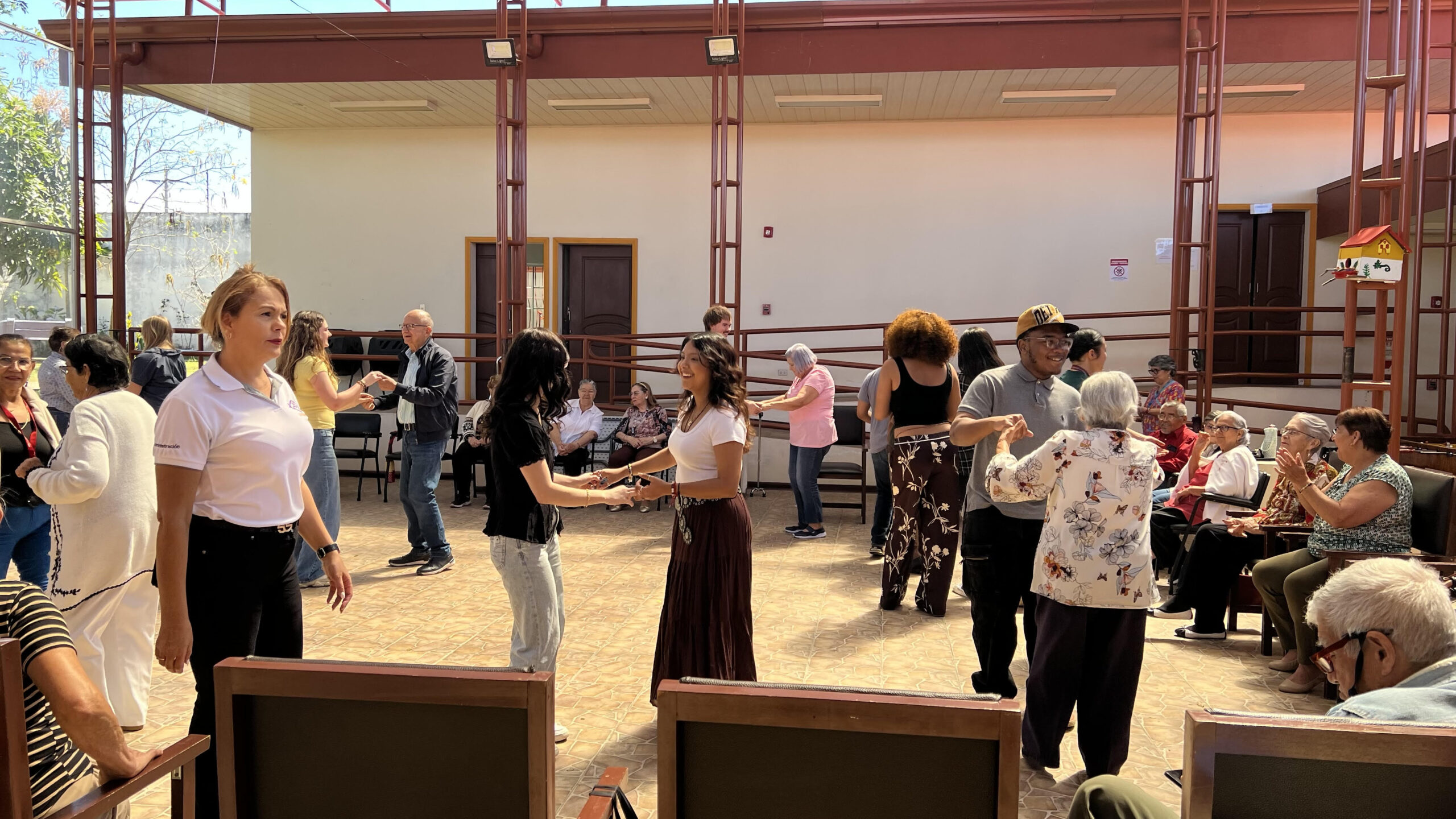
Casey added that the CIE has recently focused on expanding faculty-led international programs, particularly short-term options designed to make participation more accessible.
“We’ve been focusing on expanding the number of faculty-led study abroad programs where Albion faculty are leading groups internationally,” Casey said. “That gives students another clear pathway to complete experiential learning.”
Overall, the initiative represents what Casey said is “elevating something Albion has always done well, connecting classroom learning with real-world experience.”
Leave a Reply