
It usually happens like this: Someone jumps or makes a sudden move towards the ball. When they land and plant their feet, I hear a loud, familiar “pop.”
In the brief second of silence that follows, the thought “I hope it’s just a broken leg” flashes through my mind. The healing process would be easier if it were. But when the player hits the ground and starts screaming, everyone on the field knows immediately: They’ve torn their ACL.
The anterior cruciate ligament (ACL) is a ligament in the center of the knee that connects the thighbone to the shinbone and stabilizes rotational movements. These movements regularly occur in sports such as basketball or soccer and can cause the ACL to tear from stress and overuse. After surgery, it can take nine to 12 months for athletes to return to their sport.
As someone who grew up playing women’s soccer, I’ve watched countless teammates, opponents and friends suffer ACL tears during games. I’ve seen it so many times that the fear of it happening to me isn’t an “if” anymore, but a “when.” As someone who has a lot of anxiety about getting injured, the knowledge that I could tear my ACL at any moment while playing my sport lingers in my head during every practice, training session and game.
Female athletes are two to eight times more likely to tear their ACL than male athletes, and in 2025, 52% of season-ending injuries in the National Women’s Soccer League (NWSL) were ACL injuries.
Women in sports are at high risk of ACL tears, but there are ways to reduce the danger. Understanding why the gender difference exists can help coaches and athletes take steps to prevent injuries before they occur.
Why Are ACL Injuries So Common?
There isn’t just one explanation for why female athletes are so much more vulnerable to ACL tears than male athletes. The issue results from a combination of factors, some of which are anatomical – the way female athletes’ bodies operate puts them at a higher risk of certain injuries.
One common theory suggests female athletes are likely to suffer ACL injuries because their hips are farther apart than men’s. This means their knees might be angled inward, putting more strain on their ACLs during physical activity.
Another theory claims that ACL tears become more likely during the first half of the menstrual cycle, when ligaments are looser and joint stability decreases.
Other factors are not as uncontrollable. For instance, poor landing mechanics increase the likelihood of an ACL injury but can be corrected. If an athlete is taught how to land properly, they will absorb more force from the ground and put less pressure on their knees.
Muscle imbalance can also strain the knees. Having strong quads but weaker hamstrings, for example, means the quads have to overcompensate during activity, putting a lot of stress on the ACLs.
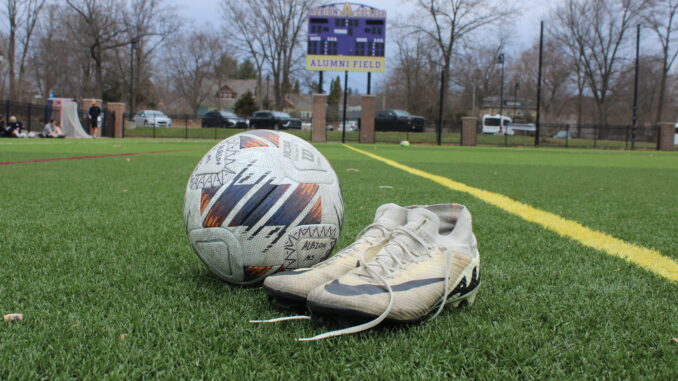
Unfortunately, many female athletes don’t have access to proper training equipment, which also contributes to the high number of ACL tears in women’s sports. Until 2020, soccer cleats were only modeled after men’s feet – footwear designed to fit and support women’s feet didn’t exist. Adidas, one of the most popular brands for soccer shoes, released their first-ever women’s cleat in 2025.
Proper footwear for female athletes is such a new development because only 6% of sports injury research is focused on women, even though over 40% of all athletes are women. This lack of research has made it difficult for sports gear brands to develop footwear designed to support a woman’s body during sports.
Prevention Requires Better Resources, More Research
Strength training that focuses specifically on weaker muscles, agility and landing techniques is incredibly important for reducing the risk of ACL tears.
Because there is little research on women’s sports injuries, players may not know to focus on these areas. Coaches and strength trainers need to make sure their athletes are doing injury prevention training in addition to general strength and muscle building.
Sports gear brands can help address this issue by continuing to design and test their products for all athletes, not just men. There needs to be more effective shoes, padding and other gear available that are actually made to protect female athletes.
In addition to proper gear, athletes must have access to updated training surfaces. Artificial turf, for example, is especially dangerous when it’s been worn down and has less give. Cleats tend to get stuck in artificial turf, increasing pressure in the knee, making it easy for an athlete’s leg to twist awkwardly. Making sure turf, floorboards and other surfaces are safe and well-maintained will decrease the risk of injury.
I’ve been very fortunate to have coaches and trainers here at Albion who prioritize injury prevention and make sure I’m doing the right workouts. Not all athletes are that lucky.
Until more female athletes have access to prevention training and proper equipment, this problem won’t go away. The first step towards providing these resources is continued research on the ACL tear epidemic in women’s sports. Research will lead to awareness, then to solutions, then to change.
Leave a Reply